CELTA, TESOL & TEFL: Which English Teaching Certificate Is Best for You?
If you’re exploring a career in English teaching whether online, in Cambodia, or abroad, you’ve probably come across the acronyms CELTA, TESOL, and TEFL. While these qualifications all relate to teaching English, they differ in structure, recognition, and standardization.
This guide explains these differences clearly so you can choose the pathway that aligns best with your goals.
What are CELTA, TESOL, and TEFL?
CELTA (Certificate in English Language Teaching to Adults)
CELTA is a standardized TESOL/TEFL qualification awarded by Cambridge English, part of the University of Cambridge. It is known for its practical, hands-on approach, focusing on:
- Lesson planning
- Classroom methodologies
- Real teaching practice with adult learners
CELTA is recognized worldwide and valued for its consistency, quality assurance, and rigorous assessment. Many employers in Asia, Europe, and the Middle East specifically request CELTA when hiring teachers.
TESOL (Teaching English to Speakers of Other Languages)
TESOL is an umbrella term, not a single standardized course. It refers broadly to programs that prepare teachers to work with English learners of different ages and backgrounds. TESOL can involve teaching:
- In countries where English is not the first language
- In English-speaking countries such as the US, UK, Australia, where learners may be migrants or international students
Most TESOL programs include:
- Methodology and teaching strategies
- Lesson design
- Language awareness
- Classroom techniques
Some TESOL courses include assessed teaching practice, while others focus more on theory. Because TESOL programs vary by institution, their content, length, and recognition also vary. Many accredited TESOL programs such as the ACE TESOL Teacher Certification Program are rigorous and taught by experienced trainers, while others may be far less comprehensive.
In short: TESOL describes the field, and TESOL courses differ depending on the provider.
TEFL (Teaching English as a Foreign Language)
TEFL is another umbrella term, similar to TESOL, typically referring to teaching English in countries where English is not the primary language. Like TESOL, there is no single standardized TEFL course. Instead, TEFL courses are delivered by many different providers, each with their own curriculum and level of quality.
TEFL programs can range from:
- Short online courses with no teaching practice
- To longer, in-person programs with supervised practicum
Because TEFL courses vary so widely, recognition depends heavily on the provider.
Key Differences Between CELTA, TESOL, and TEFL
| Feature | CELTA | TESOL | TEFL |
|---|---|---|---|
| Awarding Body | Cambridge English | Universities & training institutes | Multiple private providers |
| Standardization | Highly standardized worldwide | Varies by provider | Varies widely |
| Recognition | Consistently global | Global, but depends on institution | Depends on provider quality |
| Focus | Practical teaching with adults | Methodology + practical strategies | Introductory training; practical varies |
| Student Age Groups | Adult learners | Adults, teens, young learners | All ages |
| Delivery Format | Full-time or part-time | Full-time, part-time, blended, online | Online or in-person |
| Duration | 4-week intensive or 10-week part-time | Typically 6–12 weeks | 2 weeks to several months |
| Cost | Higher | Moderate | Lower |
Which Certificate Should You Choose?
Each qualification supports different teaching goals, and the best option depends on your needs, experience, and where you plan to teach.
CELTA offers a standardized curriculum, supervised teaching practice, and consistent global recognition, which many new teachers appreciate when they want structured, practical training.
TESOL and TEFL courses, on the other hand, vary widely because they are offered by many different providers. Some programs are highly accredited and provide strong preparation, while others are shorter introductory courses that may not offer the same level of depth or practical experience.
When comparing TESOL or TEFL programs, it’s helpful to look at factors such as:
- Accreditation
- Trainer qualifications
- Whether teaching practice is included
- Total course hours and assessment
- Recognition in your target job market
CELTA vs TESOL: Understanding the Difference
Both CELTA and TESOL qualifications build essential skills in methodology, lesson planning, classroom management, and teaching techniques. Both can lead to opportunities in online teaching, language schools, and international contexts.
The main distinction is that CELTA is standardized by Cambridge English, ensuring consistent quality worldwide, while TESOL courses vary by institution, offering different formats, specializations, and levels of intensity.
Ultimately, the right certificate depends on your teaching goals, preferred learning style, and the type of training experience you want. All three pathways such as CELTA, TESOL, and TEFL can support your development as an English teacher when chosen carefully.
Start Your English Teaching Career With Confidence
Whether your goal is to teach English online, establish a career in Phnom Penh or Siem Reap, or take your teaching skills overseas, choosing a reputable training pathway is an important first step. CELTA, TESOL, and TEFL each offer different strengths depending on your experience, needs, and long-term plans.
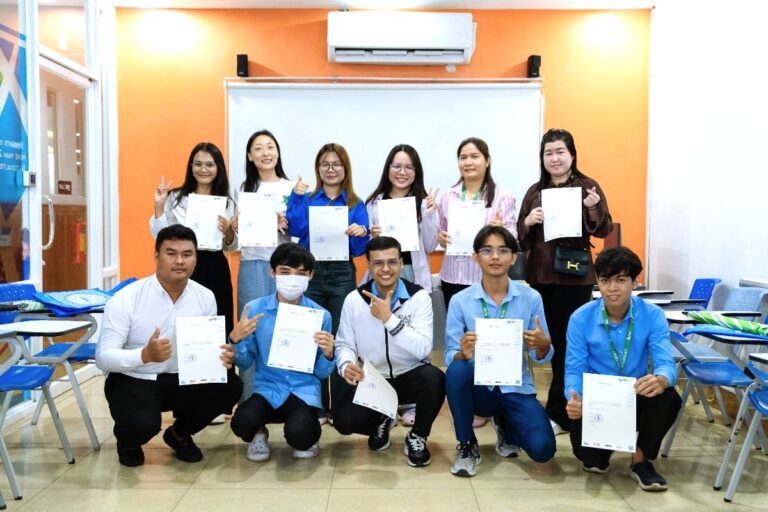
If you’re considering the CELTA, our center in Cambodia provides a supportive learning environment with experienced Cambridge-approved trainers and a practical, hands-on approach that many new teachers find valuable. We encourage prospective trainees to compare their options and choose the pathway that matches their goals.
Start Your Journey Today
Start Today, Teach Tomorrow — Your Classroom Journey Begins Here.